
The Total Testing Blog
At-Home Mold Testing Tips, Guides & Answers
Practical guides on spotting mold, testing your home, and understanding your lab results, straight from the Total Testing team.
August 20, 2026
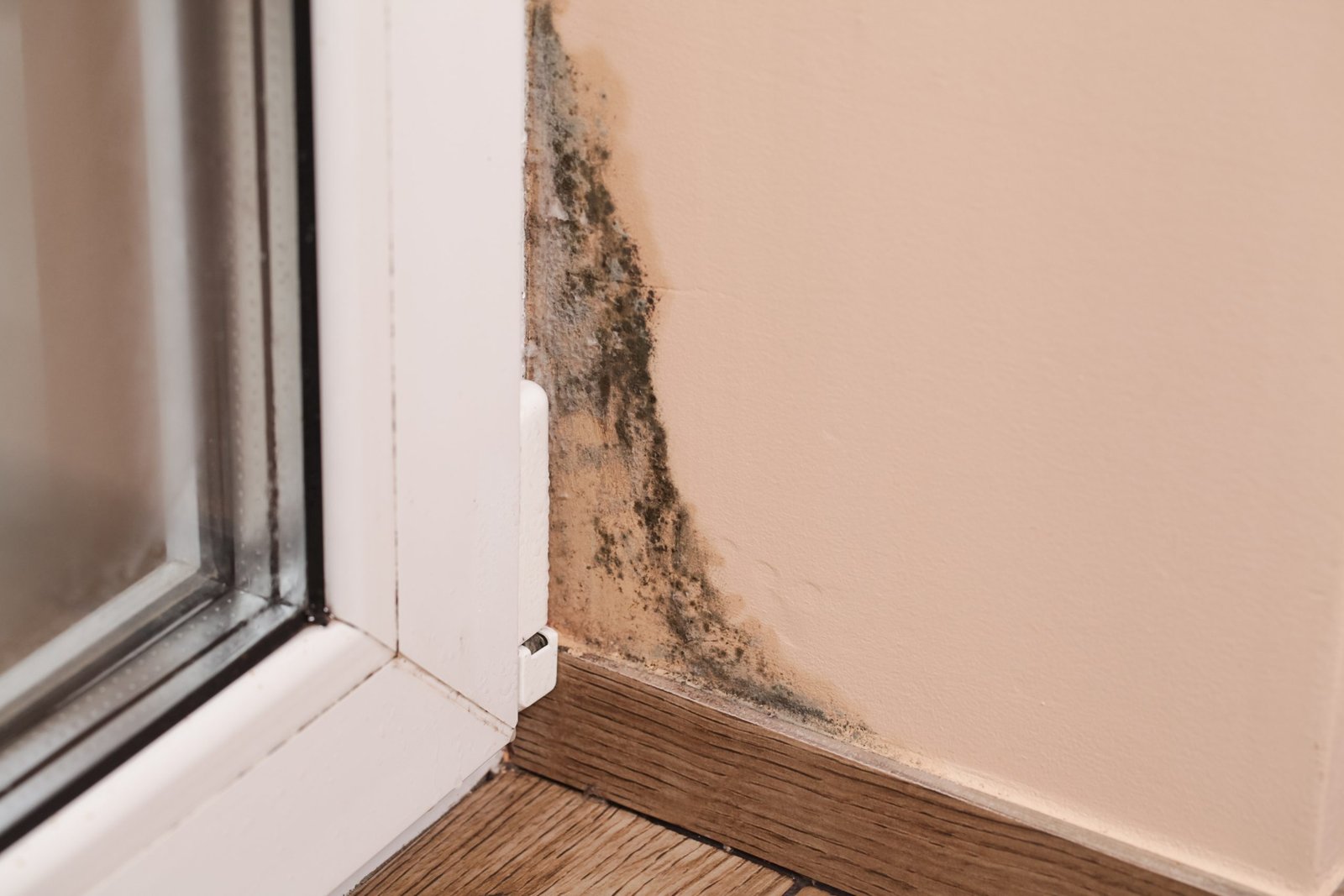
What Are the Most Common Types of Mold Found in Homes?
Quick Answer: The most common types of mold found in homes are Cladosporium, Penicillium, Aspergillus, Alternaria, Aureobasidium, and Stachybotrys (often called black mold). You cannot tell one type from another just by looking, so the only way to know exactly what is growing in your home is an accredited lab test of a sample you…
Read more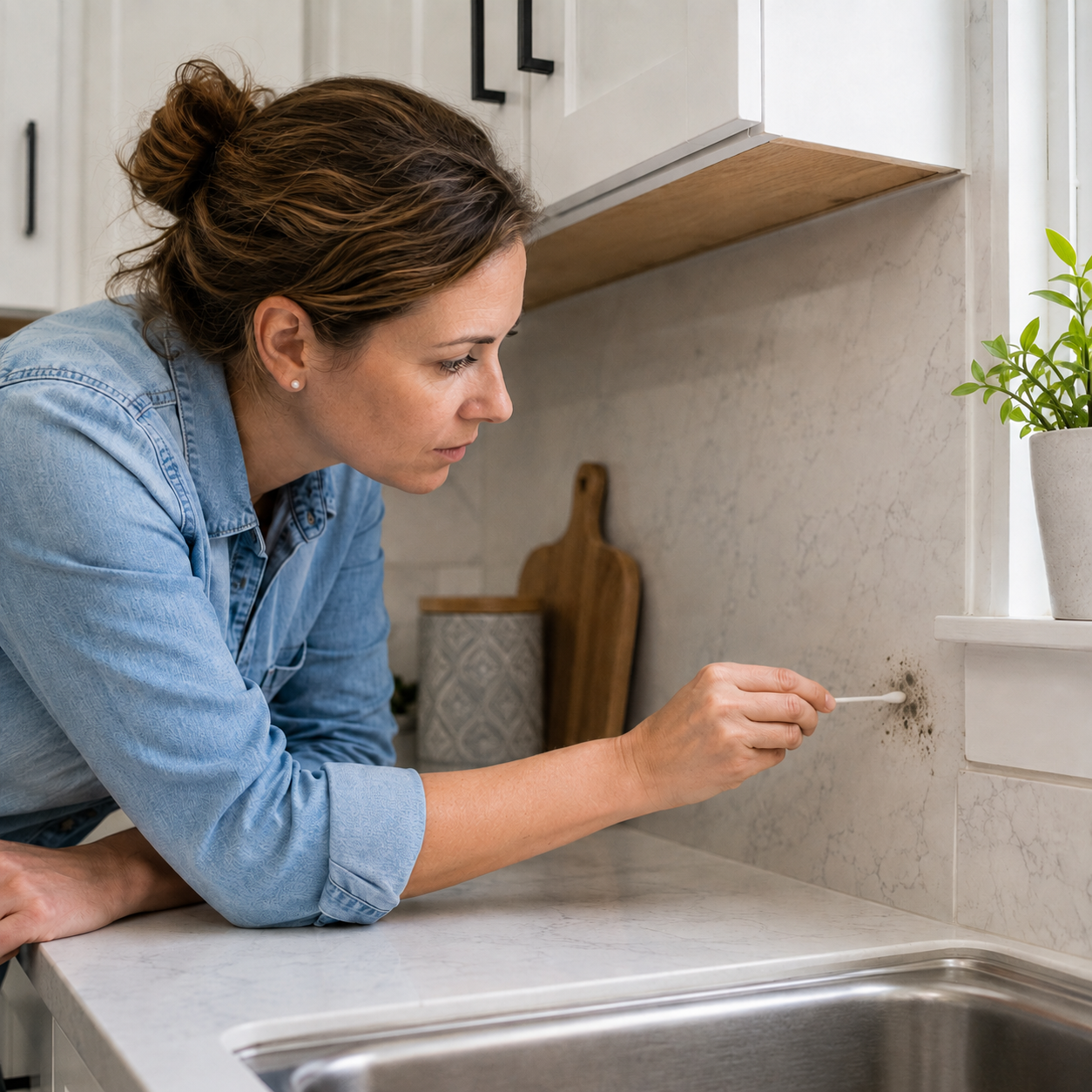
August 20, 2026
How Do You Test for Mold in Your House?
Quick Answer: To test for mold in your house, start by checking damp, musty areas for visible growth, then collect a sample to confirm the exact type. Store-bought petri-dish kits only prove that mold exists, which it always will in some amount. For real answers, collect a swab sample at home and send it to…
Read more
August 20, 2026
How to Read Your Mold Lab Report: Species, Spore Counts, and Toxicity Explained
Quick Answer: To read your mold test results, focus on three things: the species (what type of mold you have), the spore levels (how much is present), and the toxicity (whether it can produce harmful compounds). A good lab report explains each in plain language and includes an action plan, so you know exactly what…
Read more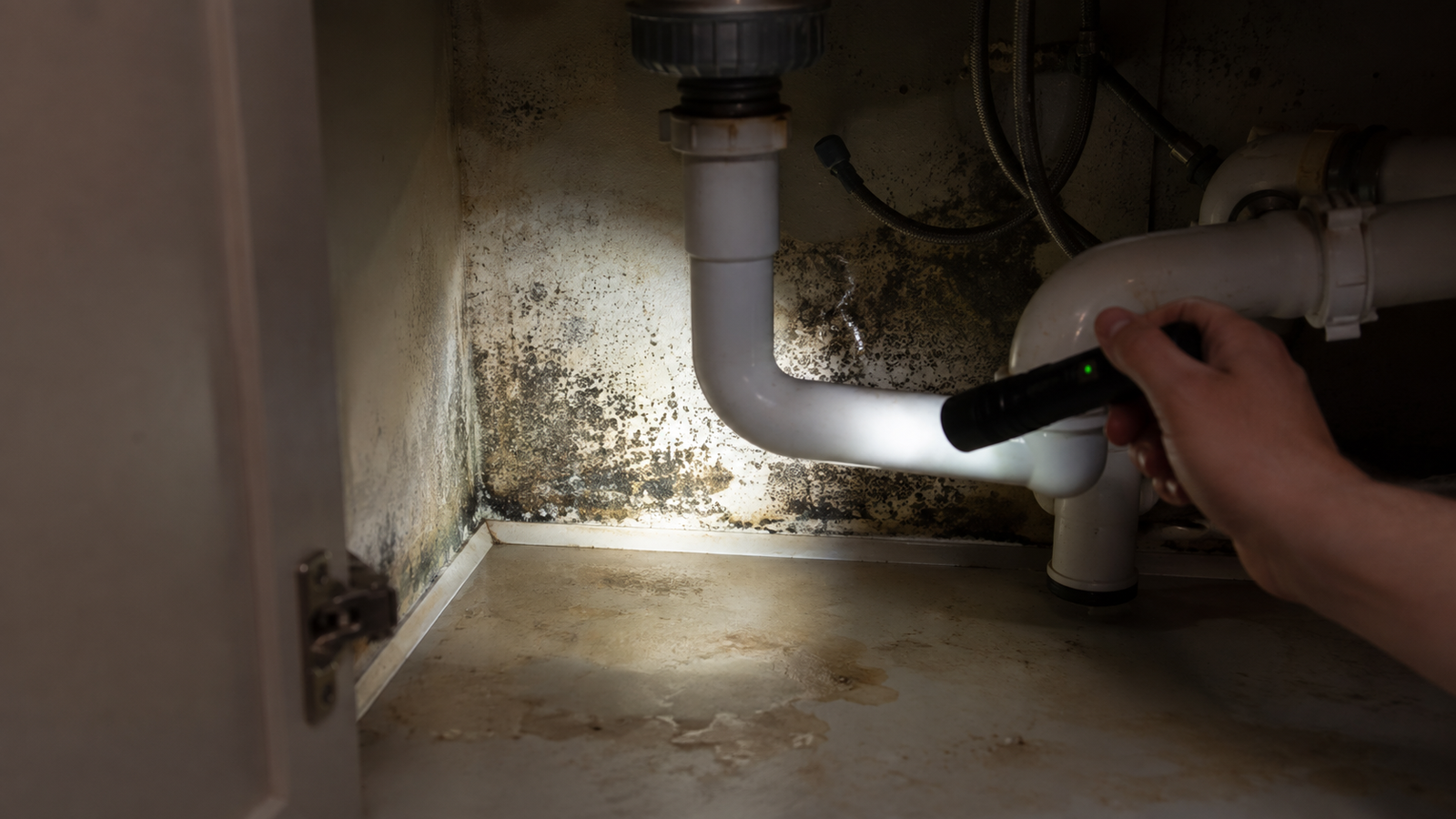
August 20, 2026
Where Does Mold Hide in Your House? 7 Places to Check First
Quick Answer: Mold hides in your house wherever moisture collects and air does not move, especially bathrooms, under sinks, basements, around windows, in HVAC systems, behind walls, and in attics. A musty smell or worsening allergies often points to mold you cannot see. When you suspect hidden mold, a lab test of a sample you…
Read more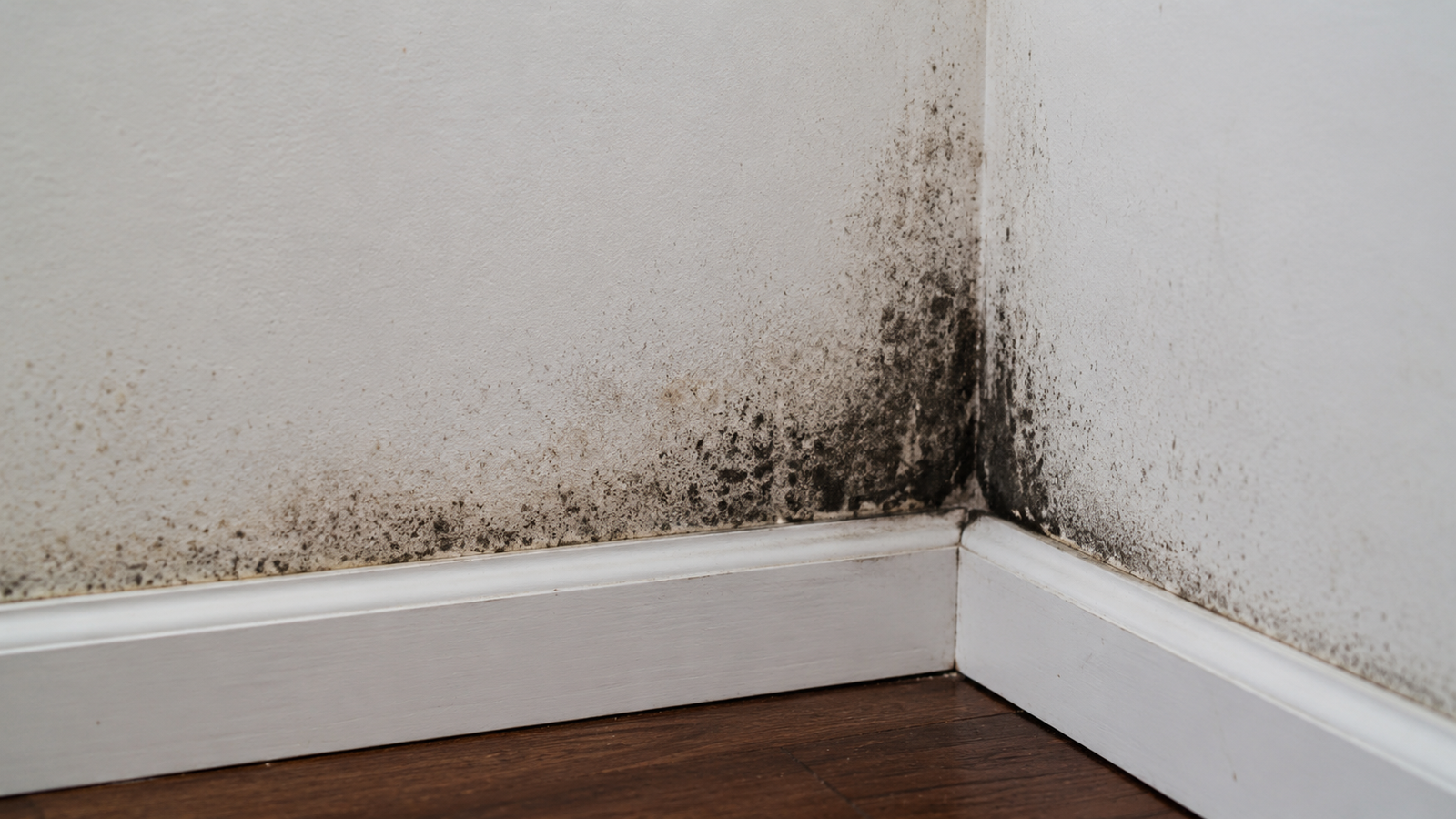
August 20, 2026
Is Black Mold Actually Dangerous? What the Health Research Really Says
Quick Answer: Black mold can cause real health problems, but its scary reputation runs ahead of the evidence. For most healthy people, it triggers allergy-type symptoms like sneezing, congestion, and irritation. The bigger risk falls on infants, older adults, and people with asthma or weakened immune systems. Because black mold looks like several harmless molds,…
Read more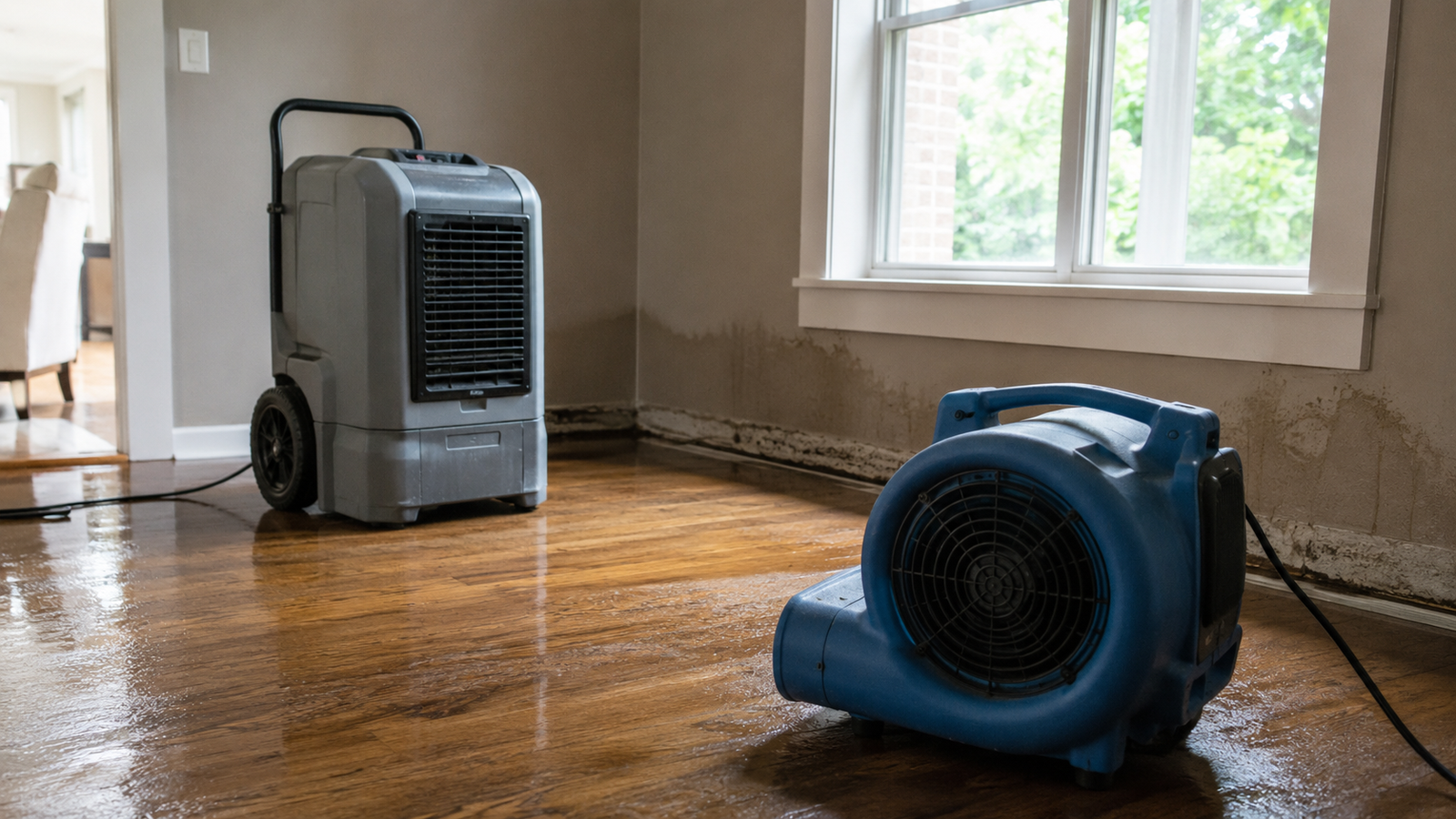
August 20, 2026
How Do You Prevent Mold After Water Damage?
Quick Answer: To prevent mold after water damage, act within the first 24 to 48 hours. Stop the water source, remove standing water, and dry everything completely with fans and a dehumidifier. Throw out soaked porous materials, clean and disinfect surfaces, and keep humidity low. If a damp area still smells musty after drying, test…
Read more