
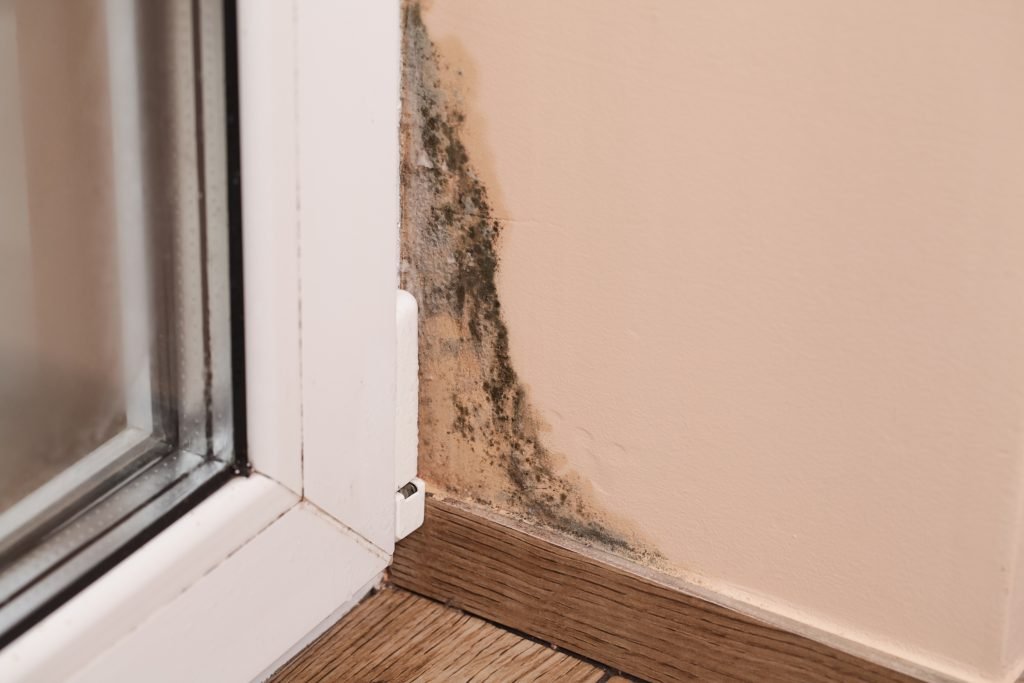
Quick Answer: The most common types of mold found in homes are Cladosporium, Penicillium, Aspergillus, Alternaria, Aureobasidium, and Stachybotrys (often called black mold). You cannot tell one type from another just by looking, so the only way to know exactly what is growing in your home is an accredited lab test of a sample you collect yourself.
The common types of mold found in homes usually fall into six groups, and most of them thrive anywhere there is moisture, warmth, and something to feed on. Mold can grow on drywall, carpet, wood, tile grout, and the paper backing behind your walls. Some types only trigger allergies. Others can produce toxins. The tricky part is that many household molds look almost identical to the naked eye, which is why guessing the type by color alone leads people in the wrong direction.
Below is a plain-language guide to the molds you are most likely to find at home, which ones raise real concern, and how you can confirm exactly what you are dealing with.
The Most Common Types of Mold Found in Homes
These six molds show up in homes across the country more than any others. Each one prefers damp spots, but they differ in color, texture, and the health effects they can cause.
Cladosporium
Cladosporium is one of the most common indoor molds and grows on fabrics, carpets, wood, and damp walls. It often looks green, brown, or black and feels suede-like. It commonly triggers allergy and asthma symptoms in sensitive people.
Penicillium
Penicillium spreads fast and often appears blue-green with a fuzzy texture. It loves water-damaged materials like carpet, wallpaper, and insulation. Because it releases spores easily, it can move through a home quickly after a leak.
Aspergillus
Aspergillus is a large group of molds found in many homes, often in shades of green, gray, or yellow. Some species can produce toxic compounds, and it tends to cause more concern for people with weakened immune systems or existing lung conditions.
Alternaria
Alternaria is a dark green or brown mold that settles in damp areas like showers, tubs, and the space under sinks. It is a frequent allergy trigger and often shows up after any kind of water intrusion.
Aureobasidium
Aureobasidium often grows behind wallpaper and on painted or wooden surfaces, and it can appear pink, brown, or black. You will frequently find it around window frames and in caulking where moisture collects.
Stachybotrys (Black Mold)
Stachybotrys chartarum is the mold most people mean when they say “black mold.” It looks dark green to black and slimy, and it grows on constantly wet materials that contain cellulose, such as drywall and cardboard. It can produce mycotoxins, so it draws the most attention of any household mold.
What Is the Most Common Mold Found in Homes?
Cladosporium and Penicillium are the two most common molds found in homes. Both grow easily on everyday surfaces and both spread quickly once moisture is present. You can find them in basements, bathrooms, around windows, and inside walls where a small leak went unnoticed. Because they are so common, spotting a patch of mold does not automatically tell you which one you have, and the color is not a reliable clue.
Is Black Mold Dangerous?
Black mold can be a concern, but the risk depends on the mold, the amount, and the person exposed to it. Any mold can cause allergy-like symptoms such as sneezing, a runny nose, red eyes, and skin irritation, and it can trigger asthma attacks in people who are allergic. The health research on mycotoxins from black mold is still mixed, so the smartest move is to identify what you have and control the moisture feeding it. As the U.S. Environmental Protection Agency puts it, “the key to mold control is moisture control.” Fixing the water source and drying the area within 24 to 48 hours stops most mold from taking hold in the first place.
How Do I Know What Kind of Mold I Have?
The only reliable way to know what kind of mold you have is a lab test, because household molds look too similar to identify by sight. A professional laboratory examines your sample under a microscope and identifies the species, the toxicity, and the spore levels. That matters because the plan for a harmless allergen is different from the plan for a mold that produces toxins.
You do not need to hire an inspector or wait for a kit to get this answer. With Total Testing, you can order an at-home mold test package and collect the sample yourself the same day using items you already own, like a cotton swab, a ziplock bag, and an envelope. You label and photograph each sample, drop it at a FedEx location with the prepaid shipping label, and the accredited lab does the rest. If you want to see each step first, our how it works page walks through the full process from purchase to report.
Why the Type of Mold Matters
Knowing the exact type of mold found in your home changes what you do next. A common allergen like Cladosporium may only call for cleaning and better moisture control. A toxin-producing mold points to a more serious response and a closer look at hidden water damage. Guessing wastes time and money, and it can leave a real problem growing behind your walls. A lab report removes the guesswork and gives you a clear action plan based on the species, the toxicity, and the spore levels in your home.
Results come back in as little as 24 business hours after the lab receives your samples, so you are not left wondering for weeks. You get the species, a full report, and a plain-language plan for what to do next.
Find Out Exactly What Is Growing in Your Home
If you have spotted mold or noticed a musty smell, the fastest way to peace of mind is to test and confirm the type. Total Testing lets you do that from home, with accredited-lab results and no inspector needed. Reach out to our team with any questions, and we will help you choose the right package for your home.