
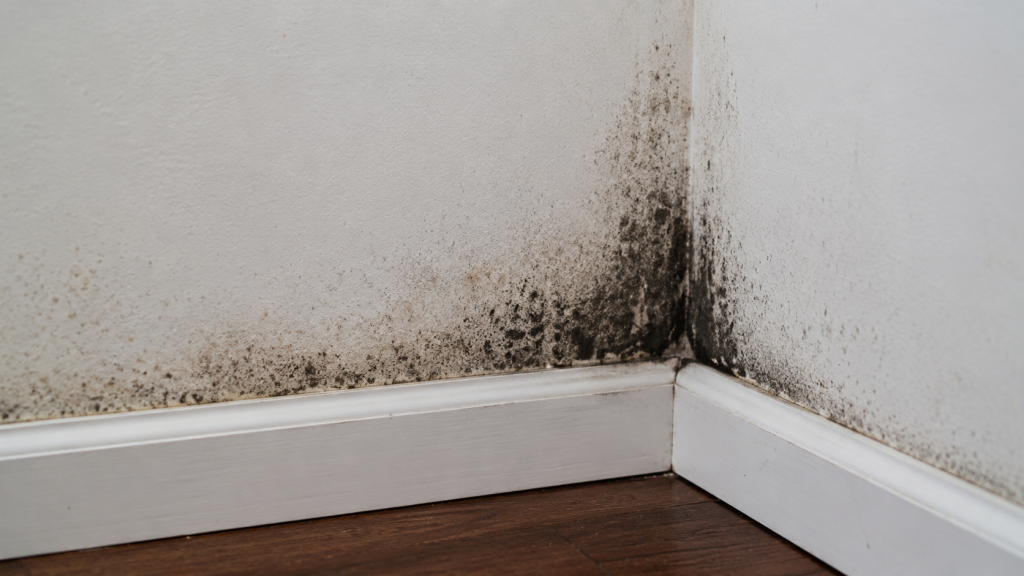
Quick Answer: Black mold can cause real health problems, but its scary reputation runs ahead of the evidence. For most healthy people, it triggers allergy-type symptoms like sneezing, congestion, and irritation. The bigger risk falls on infants, older adults, and people with asthma or weakened immune systems. Because black mold looks like several harmless molds, the only way to know what you actually have is a lab test.
One of the most common questions homeowners ask is whether black mold is dangerous, and the honest answer is that it depends on the mold, the amount, and the person exposed to it. “Black mold” usually refers to Stachybotrys chartarum, a dark, slimy mold that grows on constantly wet materials like drywall and cardboard. It has a frightening reputation online, with claims tying it to everything from memory loss to severe illness. The real science is more measured, and knowing the difference helps you respond calmly and correctly.
Here is what the health research actually supports, who faces the most risk, and how to find out what is really growing in your home.
Is Black Mold Actually Dangerous?
Black mold is dangerous mainly as an allergen and irritant, and serious illness from it is far less common than the internet suggests. Like other molds, it can cause sneezing, a runny or stuffy nose, red or itchy eyes, skin irritation, and asthma attacks in people who are allergic. The dramatic claims about toxic black mold causing severe, unique diseases are not well supported by strong research. That does not mean you should ignore it. Any mold growing indoors signals a moisture problem and should be removed, but you do not need to panic at the sight of a dark spot.
What Are the Symptoms of Black Mold Exposure?
The symptoms of black mold exposure are usually allergy-like and affect the nose, eyes, skin, and lungs. Common signs include sneezing, nasal congestion, coughing, watery or itchy eyes, throat irritation, and worsened asthma. Some people notice these symptoms ease when they leave the house and return when they come back. If you or someone in your home has ongoing or severe symptoms, talk with a healthcare provider, because a doctor can address health concerns that a mold report cannot.
Does Black Mold Cause Serious Health Problems?
For most healthy people, black mold does not cause serious, long-term health problems beyond allergy and irritation symptoms. The U.S. Environmental Protection Agency notes that “symptoms other than the allergic and irritant types are not commonly reported as a result of inhaling mold.” Some molds, including certain black mold, can produce mycotoxins, but the research linking inhaled mycotoxins at home to severe illness remains limited and inconclusive. The practical takeaway is simple: treat mold seriously, fix the moisture feeding it, but do not let online scare stories drive the decision.
Who Is Most at Risk From Black Mold?
The people most at risk from black mold are infants, young children, older adults, and anyone with asthma, allergies, or a weakened immune system. For these groups, mold exposure can trigger stronger reactions and, in people with compromised immune systems, more serious respiratory issues. If someone vulnerable lives in your home and you suspect mold, it is worth confirming what you have sooner rather than later.
How Do You Know If You Have Black Mold?
You cannot know if you have black mold just by looking, because several common molds also appear dark green or black. Color alone is not a reliable way to identify Stachybotrys or tell it apart from harmless look-alikes. The only way to be sure is a lab test that identifies the exact species. With Total Testing, you can order an at-home mold test package, collect a sample yourself with everyday items, and let an accredited lab identify the species, toxicity, and spore levels. Our how it works page shows the full process from sample to report.
What Should You Do About Black Mold?
If you find black mold, control the moisture feeding it and clean or remove the affected material. As the EPA puts it, the key to mold control is moisture control, so fix leaks quickly and keep indoor humidity in check. Small areas of surface mold can often be cleaned, while large patches or mold on soaked drywall usually call for professional removal. Testing first tells you what you are dealing with, so you match your response to the actual risk instead of guessing.
Find Out What You Are Really Dealing With
Worry usually comes from not knowing. Total Testing replaces the guesswork with accredited-lab results that tell you the species, toxicity, and spore levels, plus a plain-language action plan. Reach out to our team with any questions, and we will help you choose the right package for your home.